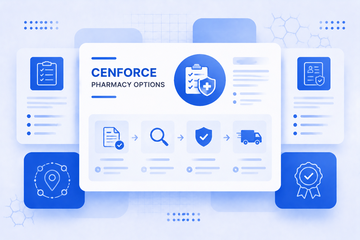
Cenforce pharmaceutical terminology covers concepts used to describe product identity, formulation categories, market availability, and commercial characteristics. This overview connects product information with pricing terminology, purchase research concepts, and pharmacological mechanism terminology used in pharmaceutical resources.
Cenforce product discussions may include formulation comparison, administration terminology, and classification language. Related areas such as dosage terminology, adverse effect terminology, and interaction profile terminology help organize broader pharmaceutical information.
Commercial research may involve market availability, product documentation, and comparative analysis. Additional resources covering effectiveness terminology and formulation information provide structured context for understanding pharmaceutical product categories and terminology.
Cenforce pharmaceutical terminology includes product identification concepts, formulation categories, active ingredient descriptions, and general medication classification language. These terms are commonly used within pharmaceutical information systems to describe product characteristics, availability categories, and scientific background. Related information may include pharmacological mechanism terminology and effectiveness terminology.
A pharmaceutical overview also includes administration terminology, product labeling concepts, and information organization methods. These descriptions provide a framework for understanding how Cenforce-related information is structured without presenting clinical instructions. Additional references may include dosage terminology and formulation terminology.
| Category | Description | Information purpose |
|---|---|---|
| Product terminology | Names, classifications, and pharmaceutical identifiers | Organizes product information |
| Formulation language | Descriptions of product categories and formats | Supports comparison research |
| Scientific terminology | Mechanism and pharmacological concepts | Provides medical context |
Cenforce commercial characteristics include market availability concepts, product representation, pricing terminology, and marketplace communication patterns. Commercial research often examines how pharmaceutical products are categorized, described, and compared across different information sources. Related resources include price terminology and purchase research terminology.
Marketplace factors may involve distribution structures, product documentation, regional variation, and information consistency. These factors influence how pharmaceutical terminology is presented and analyzed within commercial environments. Additional context may include effectiveness terminology and mechanism terminology.
| Commercial factor | Description | Research relevance |
|---|---|---|
| Market availability | Presence and representation within marketplaces | Explains commercial characteristics |
| Pricing terminology | Language related to listed costs and variation | Supports market analysis |
| Product documentation | Information provided about pharmaceutical categories | Improves classification |
Formulation comparison terminology describes differences between Cenforce product categories, presentation formats, and classification systems. These comparisons focus on pharmaceutical descriptions, product attributes, and informational categories. Related resources include formulation terminology and product classification terminology.
Product classification may include administration terminology, labeling information, and marketplace descriptions. Understanding these concepts supports organized pharmaceutical research while separating commercial descriptions from clinical decision-making. Additional references may include administration terminology and pharmacological concepts.
| Comparison area | Description | Classification purpose |
|---|---|---|
| Formulation category | Different pharmaceutical presentation types | Supports product comparison |
| Product attributes | Information describing characteristics | Improves organization |
| Marketplace classification | Commercial naming and category structures | Supports research analysis |
Adverse effect terminology describes categories used in pharmaceutical documentation to classify reported reactions, tolerability information, and medication profile details. Cenforce resources may use standardized terminology to organize adverse effect information. Related references include side-effect terminology and interaction terminology.
Neutral pharmaceutical descriptions focus on classification systems, documentation formats, and information structures. These concepts help explain how medication-related data is organized without providing clinical instructions. Additional context may involve administration terminology and mechanism terminology.
| Category | Description | Terminology role |
|---|---|---|
| Adverse effect terms | Descriptions of reported medication reactions | Information classification |
| Product profile | Structured pharmaceutical details | Reference organization |
| Documentation language | Standardized medical descriptions | Communication framework |
Interaction terminology explains how pharmaceutical resources categorize relationships between medicines, substances, and pharmacological factors. Cenforce interaction profiles may be described through general scientific language related to medication relationships and information databases. Related information includes interaction profile terminology and pharmacological mechanism concepts.
Neutral interaction terminology focuses on organization of pharmaceutical information rather than clinical instructions. It includes categories used for documenting potential relationships between products and substances. Additional references may include adverse effect terminology and effectiveness terminology.
| Interaction category | Description | Research focus |
|---|---|---|
| Medication relationships | Terminology describing product interactions | Information classification |
| Substance categories | General interaction-related descriptions | Reference organization |
| Pharmacological factors | Scientific relationship concepts | Medical context |
General purchase evaluation terminology includes marketplace research, product information review, commercial comparison factors, and source documentation concepts. Cenforce commercial research may involve analysis of availability, product descriptions, and pricing terminology. Related resources include purchase terminology and pricing terminology.
Commercial research focuses on understanding marketplace characteristics, formulation categories, and information quality. It may also include pharmaceutical background concepts and comparison frameworks. Additional resources covering product categories and formulation terminology provide further classification context.
| Evaluation factor | Description | Commercial purpose |
|---|---|---|
| Source information | Details available within product references | Supports research comparison |
| Market characteristics | Availability and category trends | Explains commercial environment |
| Product comparison | Analysis of pharmaceutical attributes | Organizes information |
Cenforce pharmaceutical terminology includes concepts related to product identity, formulation categories, active ingredient descriptions, administration terminology, and scientific classification. These terms help organize pharmaceutical information within educational and commercial contexts while describing how medication-related data is structured and communicated.
Cenforce commercial characteristics describe marketplace representation, product classification, market availability, documentation practices, and commercial terminology. These concepts explain how pharmaceutical products are categorized and presented within different information environments without focusing on promotional language or individual medical decisions.
Cenforce pricing terminology includes concepts related to listed costs, market variation, regional factors, distribution structures, and commercial conditions. These terms provide a framework for understanding how pharmaceutical pricing information can differ across sources and how marketplace factors influence displayed information.
Cenforce formulation comparison involves terminology related to product categories, presentation formats, labeling information, and pharmaceutical classification. This comparison framework focuses on organizing product information and describing characteristics used within pharmaceutical references and commercial research materials.
A Cenforce safety overview uses neutral pharmaceutical terminology related to adverse effect categories, medication documentation, reported reactions, and product information systems. These concepts describe how pharmaceutical resources organize safety-related information without providing clinical instructions or individual assessments.
A Cenforce interactions overview explains terminology related to interaction profiles, medication relationships, substance categories, and pharmacological information systems. These concepts describe how pharmaceutical references classify interaction-related information and organize scientific data for research purposes.
General Cenforce purchase terminology refers to marketplace language involving product information, commercial factors, availability concepts, pricing terminology, and research categories. It provides a structured way to understand how pharmaceutical products are represented within commercial environments and informational resources.